Indigenous Gardening and
Foodways Initiative
The museum’s new Indigenous Gardening and Foodways Initiative promotes traditional ecological knowledge and aims to revitalize Great Lakes Indigenous food systems.
What are Indigenous Foodways?
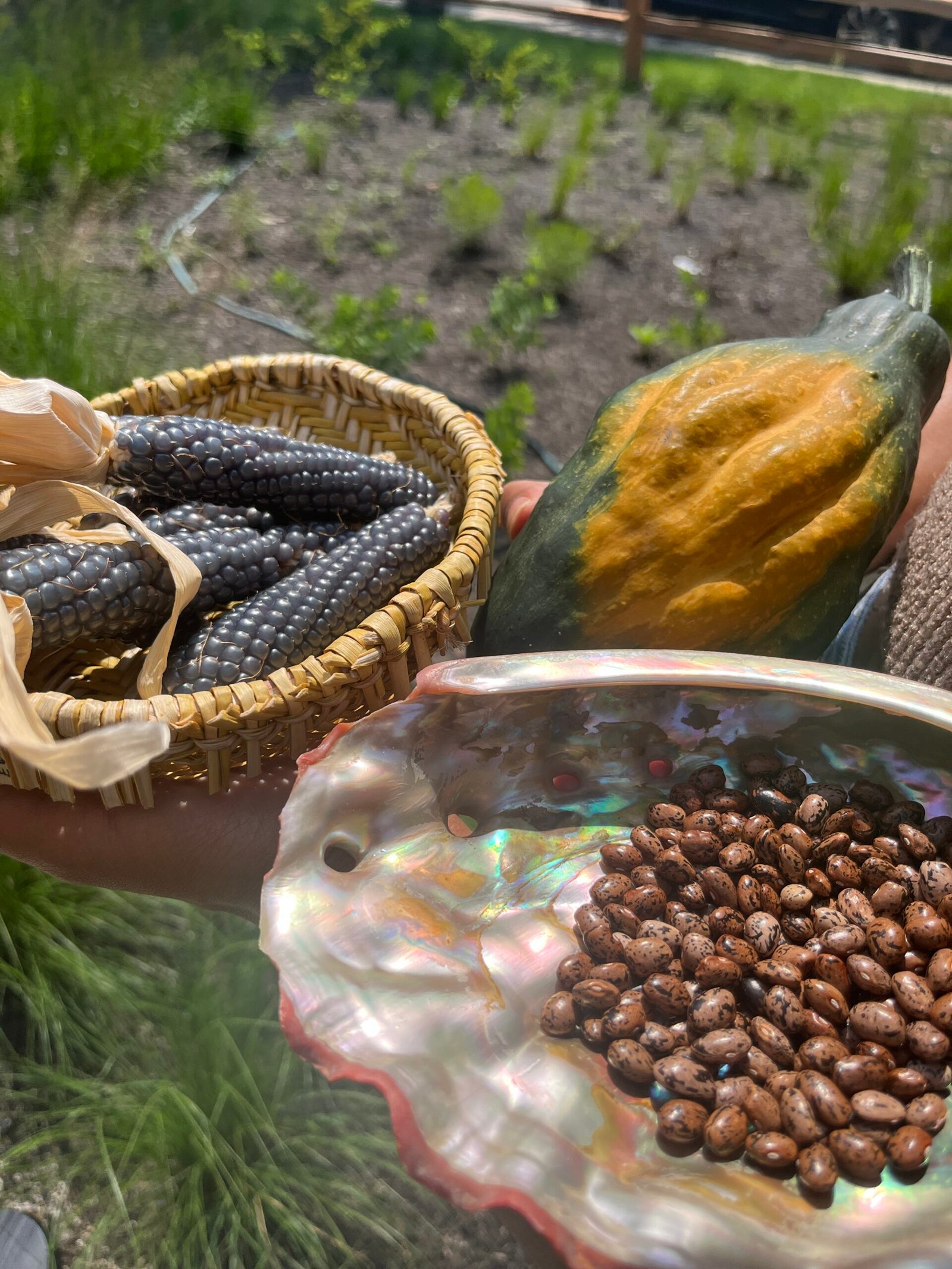
For us, Indigenous foodways are a means of community building and bringing people together through food production, cultivation, and sharing meals while passing on cultural teachings. Reconnecting with Indigenous foodways is a way for the Native community to heal from the impact of Federal policies of forced removal and assimilation, leading to separation from ancestral lands and disconnection from traditional ecological knowledge and practices.
Major Activities
Garden Expansion
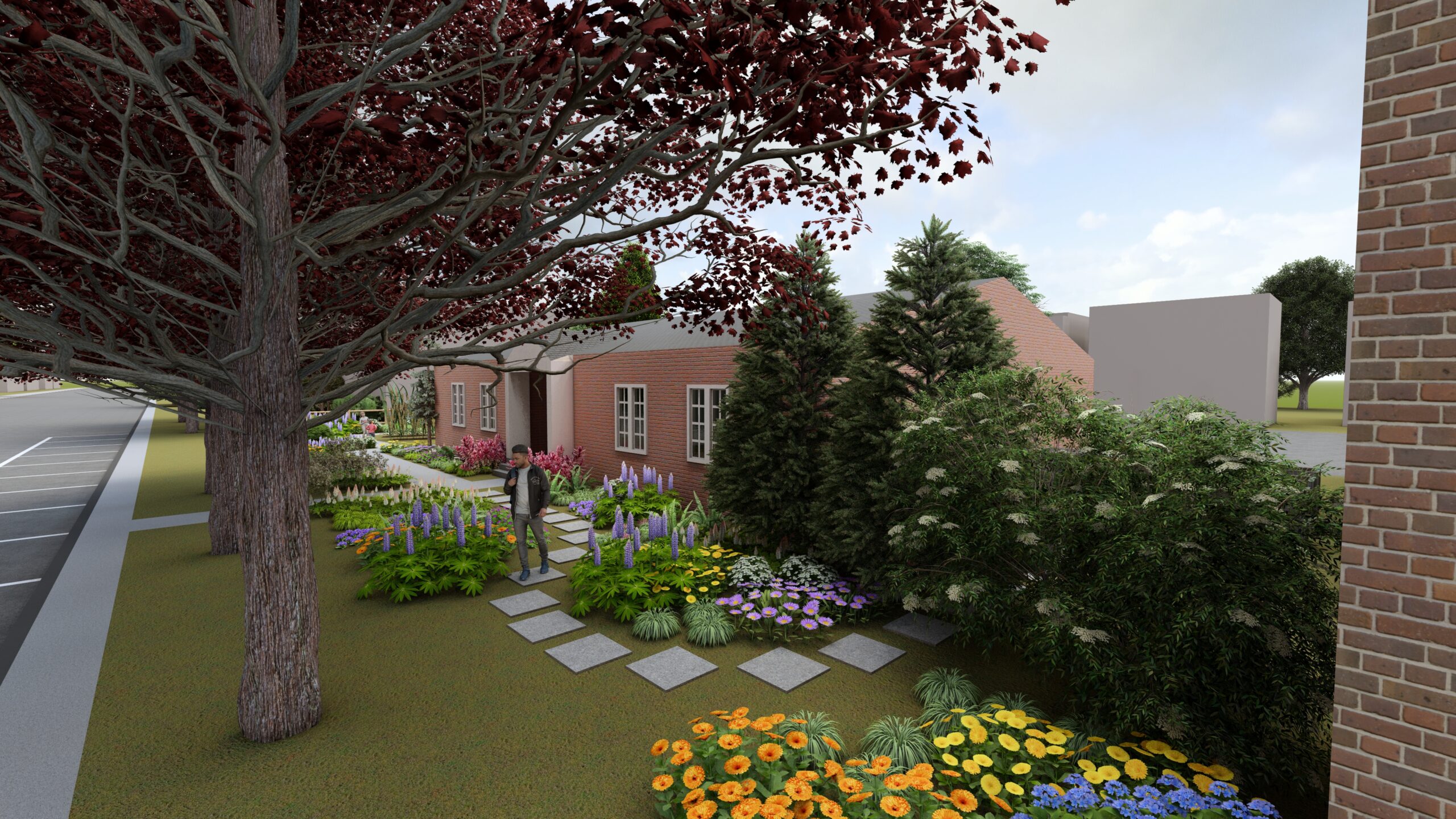
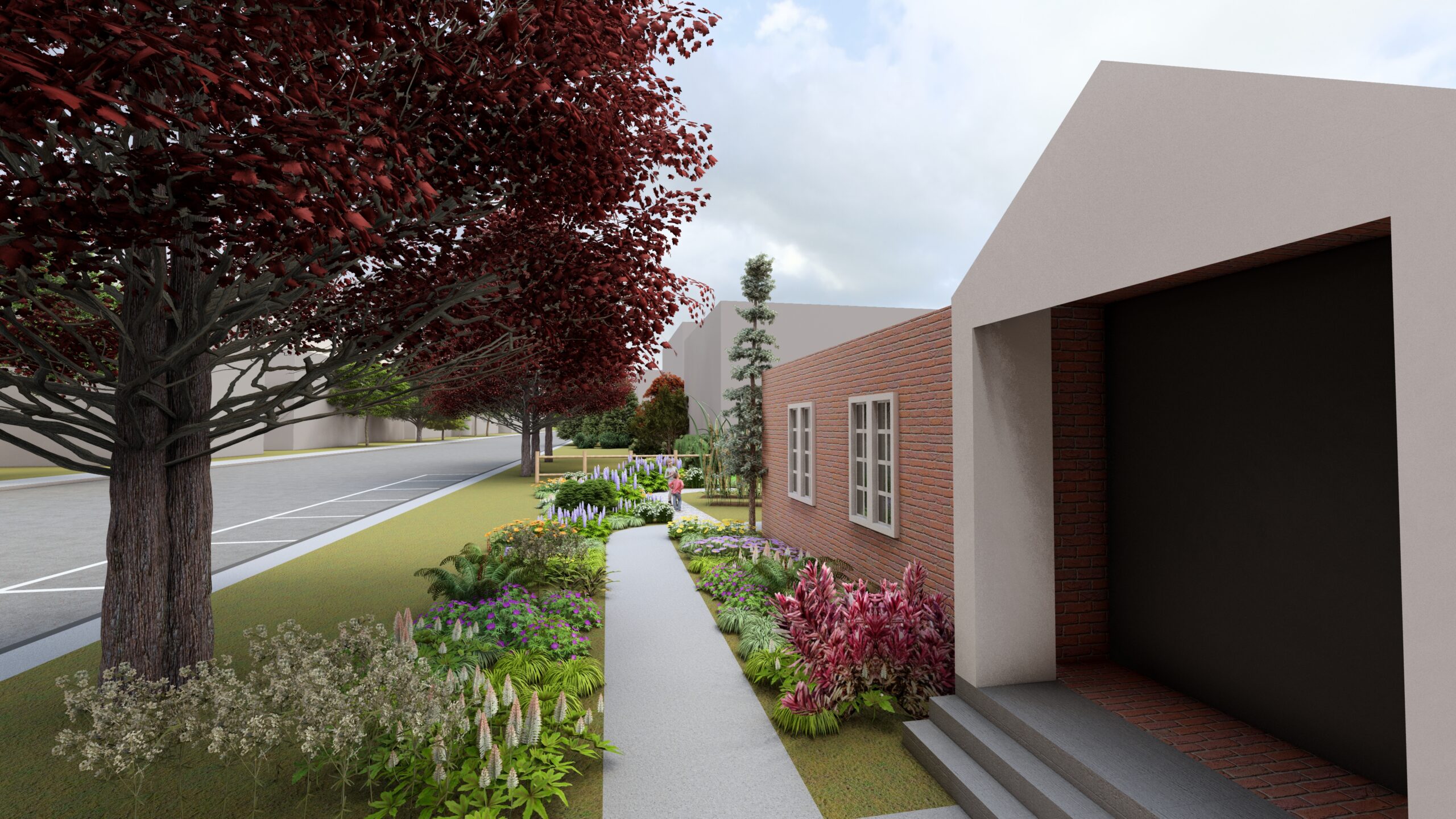
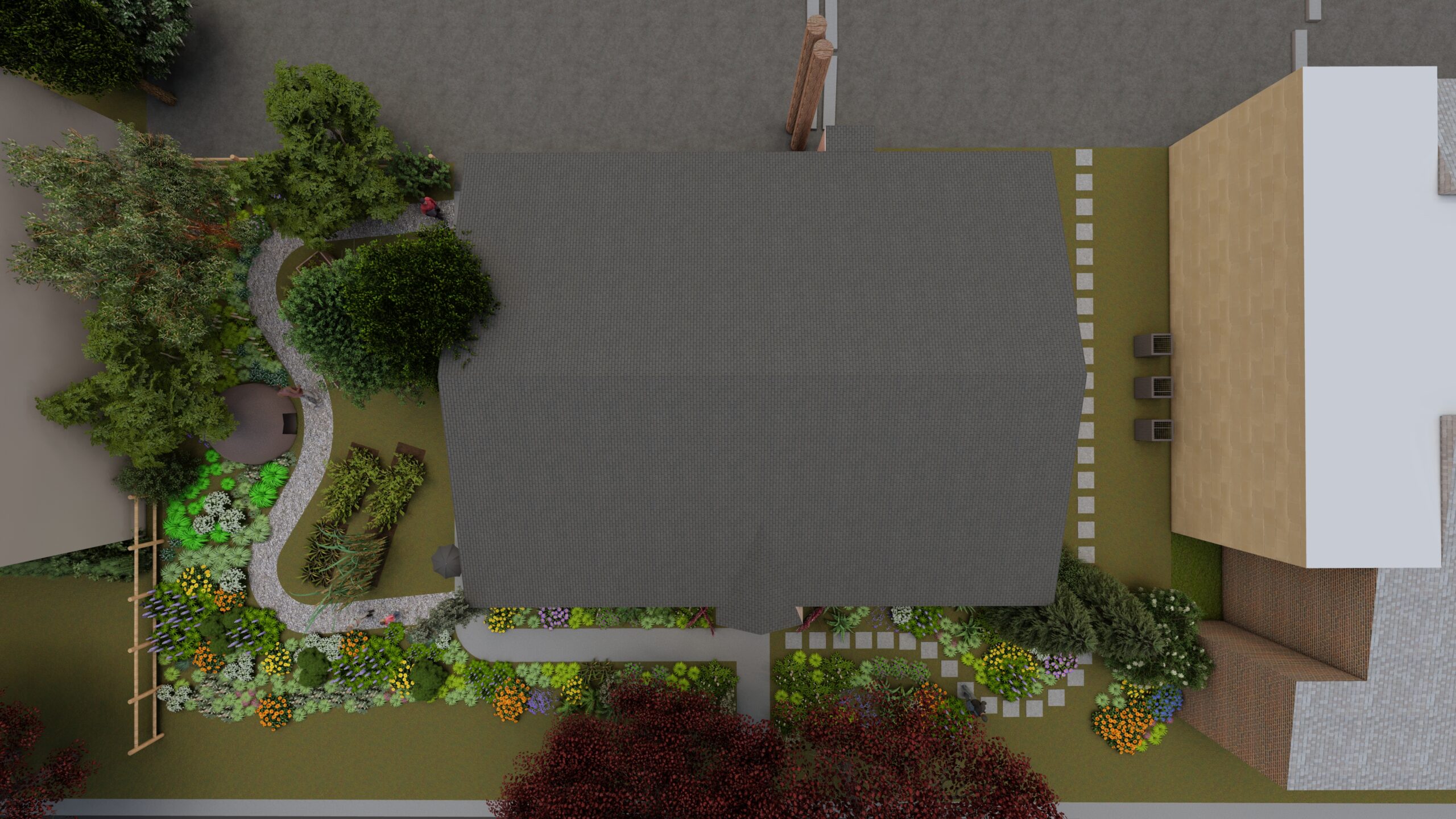
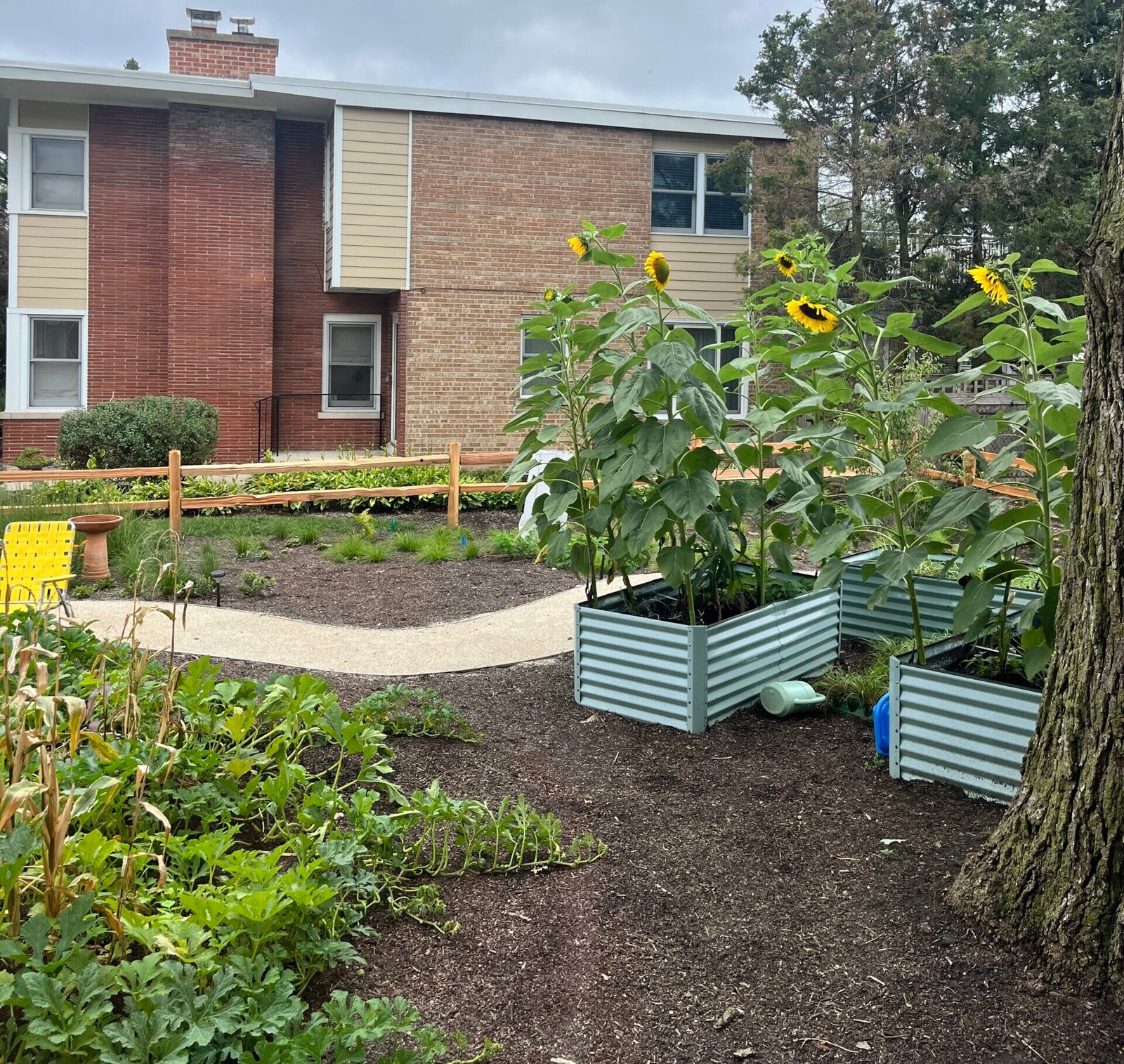
In 2025, we underwent a major expansion to remove the turf on our annexed property to install a fully native plant garden, comprised of a woodland shade, full-sun prairie, and edible landscape garden. In all, the expansion introduced over 1,700 plants that will help us educate our community on Great Lakes regional Indigenous land stewardship and food gardening practices. Visit our virtual map to explore the garden online.
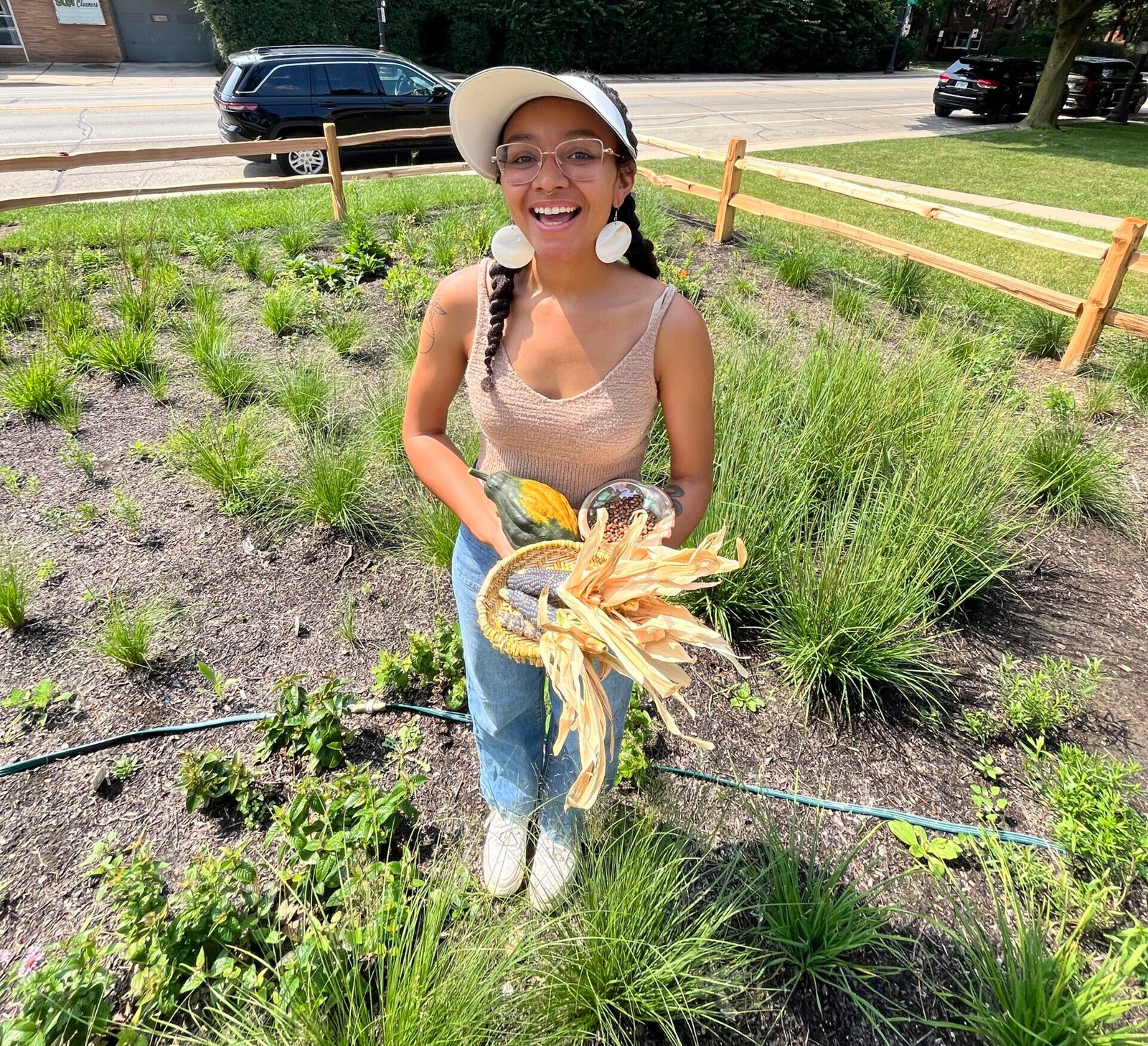
Teaching Kitchen Space
The garden’s expansion will be supported by a forthcoming commercial kitchen space. Once completed, the kitchen will host and sustain hands-on Indigenous foodways education programs and support local Native chefs in sharing regional cuisines with the public.
Exhibit
The garden will also act as a free, living exhibition, with educational signage throughout to share regional languages for the plants and learn more Traditional Ecological Knowledge (TEK). Furthermore, we have two complementary exhibitions opening in Fall 2026, Gifts of Our World, and We Still Grow, that highlight Native-led land stewardship practices, Tribal food sovereignty programs, environmental justice, and TEK that is helping restore the Great Lakes region. Together these exhibits complement our foodways projects by shifting public narratives from Native erasure to present-day contributions, resilience, and expertise.
Educational Programming
Offer educational programs, resources, and tours that correlate with our new food crops’ growing and harvest seasons so that the public, schools, and the Native community can learn the value of Indigenous ecological knowledge and access our gardens to put traditional techniques into practice.
CONTACT
Garden Manager Camille at camille.billie@gichigamiin.org
Impact
-
Enhance understanding of native plants and Indigenous knowledge systems through community outreach and educational programs.
-
Build stronger partnerships with Great Lakes Tribal Nations to promote their food sovereignty and ecology-based projects widely.
-
Increase traditional food access for local Native individuals and families.
-
Share gardening techniques and foodways for urban and suburban lifestyles.
-
Connect Indigenous chefs, food makers, and businesses with new economic opportunities.
Sneak Peek of the Garden Expansion